
A painful condition known as runner’s knee can keep you out of the running for a long time, possibly forever, if you don’t get patellofemoral syndrome treatment from doctors in Brooklyn and the Bronx. Technically called patellofemoral syndrome, runner’s knee is treatable without having a total knee replacement. The knee pain specialists in Brooklyn at the Astra Knee Pain Center have become the go-to doctors for non-surgical treatment with a remarkable new procedure called genicular artery embolization. Call them now to schedule a consultation.
What Is Patellofemoral Syndrome?
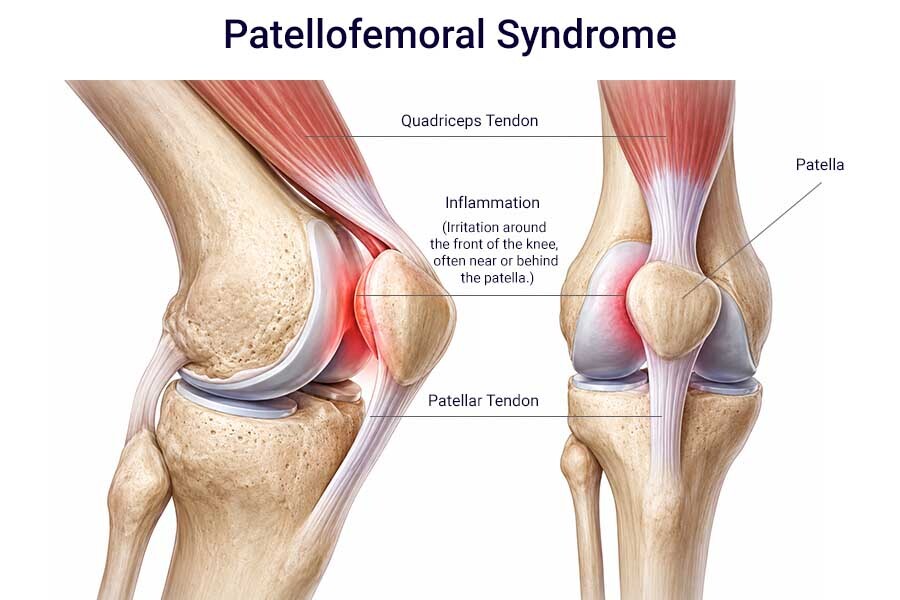
Patellofemoral syndrome occurs when you have pain in the front of the knee and behind the kneecap. It’s often referred to as “runner’s knee” because it’s a prevalent sports injury common for athletes and runners. Patellofemoral syndrome is a painful condition that limits mobility and makes it difficult to walk and kneel.
You may find relief from conservative therapies like rest, a change in your activities and physical therapy that targets specific muscle groups that support the knee. But when traditional at-home therapy fails, and other non-surgical treatments haven’t provided relief, you can find solutions from knee pain specialists in the Bronx who offer an innovative new treatment called genicular artery embolization (GAE).
The team of knee pain doctors in Brooklyn and the Bronx at the Astra Knee Pain Center treat knee pain conditions with safe, non-surgical treatment options such as GAE.
What Are the Causes of Patellofemoral Syndrome?
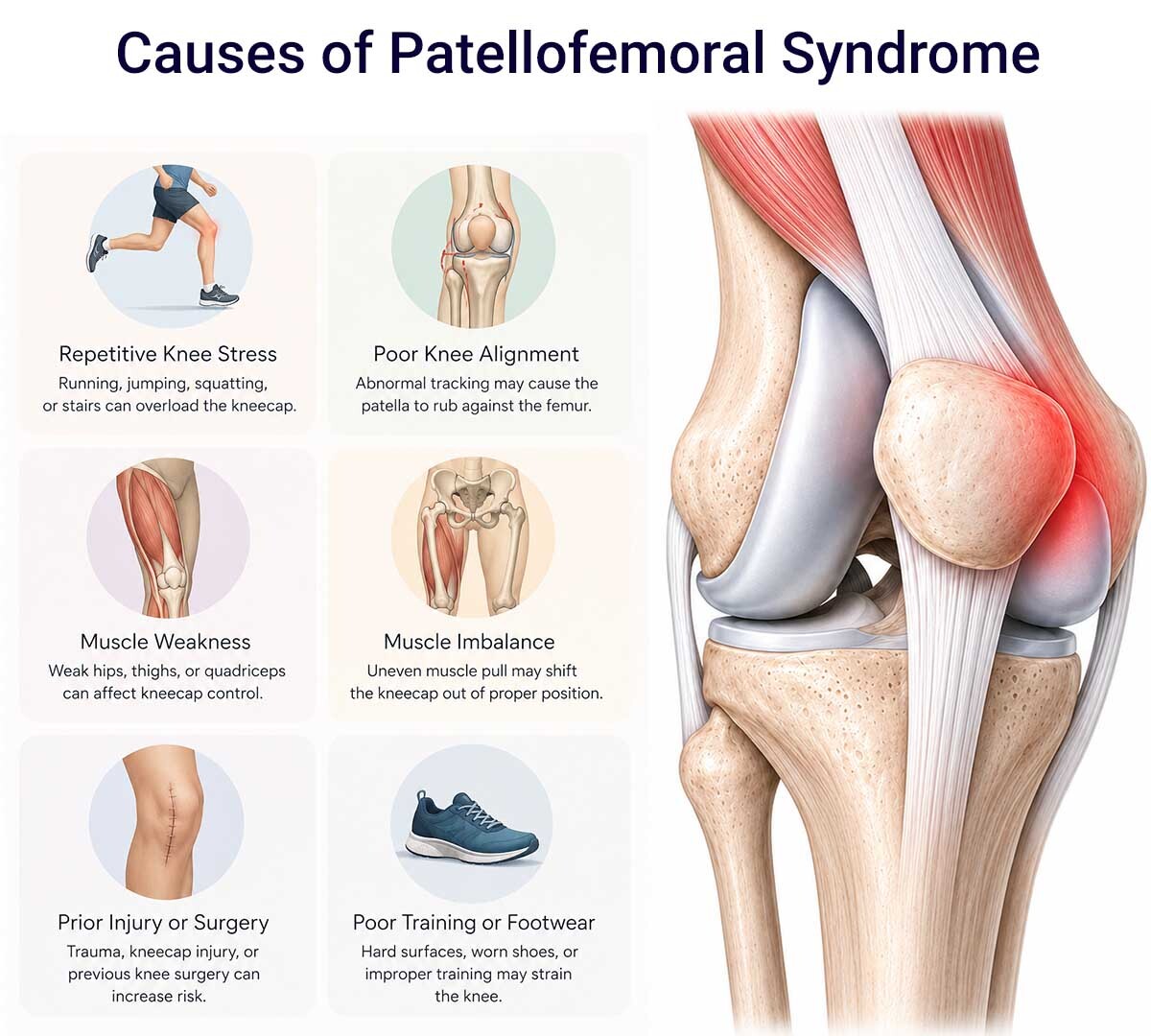
More than 20 percent of runner’s cases are caused by repetitive stress on the kneecap as well as the structures around it. Sports that involve jumping, running and squatting strain the knee and lead to the condition.
Other factors that add to patellofemoral pain syndrome development include:
- Poor knee alignment
- Muscle imbalance
- Muscle weakness
- A trauma or injury to your kneecap
- Structural variations
- Previous knee surgery
- Aging and degenerative changes
Women are more likely to develop runner’s knee due to wider hips and altered knee mechanics. Wearing worn-out shoes and performing improper training on hard surfaces also increases your chances of developing this knee condition. Finding out the source of your knee pain helps your runner’s knee doctor in the Bronx create a successful treatment plan.
How Can I Tell if I Have Patellofemoral Syndrome?
The first sign of patellofemoral syndrome is pain around or behind the kneecap. And although it’s a little less intense than other knee pain conditions, it continues for longer periods of time. The pain begins gradually but over time increases and worsens during activities.
Other symptoms your doctor may observe include:
- Swelling and stiffness around the kneecap
- A bone-on-bone grinding sensation
- A popping and crackling sound when you straighten the knee
- Locking when the knee gets stuck during movement
Left untreated, patellofemoral syndrome leads to muscle weakness in the thighs and hips. It also affects your posture and leads to secondary medical conditions like hip pain, lower back strain or foot issues. Your knee pain specialist in the Bronx starts by thoroughly discussing your symptoms, your physical activity and if you’re involved in any sports. They perform imaging tests to rule out any other conditions and confirm a diagnosis.
Patient Experience
How Is Patellofemoral Syndrome Treated?
Your age, medical history and symptoms altogether help your patellofemoral syndrome treatment doctors in Brooklyn and the Bronx create a treatment plan that’s best for you. Your knee pain specialist in Brooklyn usually starts with a non-surgical treatment approach that improves your kneecap alignment and reduces pain.
In addition to conservative treatments like rest and refraining from activities that cause you pain, treatment options for a runner’s knee include:
- Physical therapy that includes strengthening and stretching exercises
- Supportive devices such as knee braces, taping or orthotic inserts to correct alignment
- Anti-inflammatory medicines like ibuprofen and aspirin to ease swelling and pain
- Corticosteroid injections, which provide temporary pain relief
- Genicular artery embolization, ideal for reducing inflammation, which is a major contributor to patellofemoral syndrome
When other doctors recommend total knee replacement surgery, your knee pain doctors at the Astra Knee Pain Center are available to provide you with a second opinion. They go over all the risks and side effects of GAE, as well as the recovery timeline of GAE vs. surgery.
What’s My Prognosis for Runner’s Knee Recovery?
Early diagnosis and proper treatment make the prognosis of patellofemoral syndrome good. You may return to your normal activities without lasting concerns and make a full recovery. The sooner you address patellofemoral syndrome, the faster and more fully you recover.
With a team of skilled knee pain specialists in the Bronx, this knee pain center creates the best treatment plan for you. Contact the Astra Knee Pain Center today for a consultation to learn more about GAE.
Updated on Jul 8, 2026 by Dr. George Bolotin (Knee Pain Specialist) of Astra Knee Pain Center
Astra Knee Pain Center Brooklyn
4209 Ave U, Suite A.
Brooklyn, NY 11234
(347) 934-9068
Astra Knee Pain Center Bronx
869 E Tremont Ave
Bronx, NY 10460
(929) 447-4563
Astra Knee Pain Center Queens
30-71 Steinway St,
Astoria, NY 11103
(929) 486-2201