
Table of contents
Your knees carry a heavy burden. When you suffer from knee pain in Brooklyn or the Bronx, you can get non-surgical, minimally invasive treatment that gets you back on your feet in no time. Whether you’ve experienced a locking knee or an unstable knee, call knee pain doctors in Brooklyn and the Bronx at the Astra Knee Pain Center. They offer revolutionary treatments, including genicular artery embolization or GAE. Call today to get out of pain and back in the game.
With an unstable knee, you notice a wobbly, weak or slipping sensation when you walk. You may notice it when you’re stressing your knees, such as while you’re playing sports, jogging or walking on uneven ground. It feels like your knee’s sliding out of place.
Knee instability may come on suddenly after an injury or gradually because of underlying joint damage.
Several conditions contribute to an unstable knee, including:
If you ignore knee instability, you may develop more serious problems, such as cartilage damage that can lead to bone-on-bone grinding. At the Astra Knee Pain Center, with offices in Brooklyn and in the Bronx, you meet doctors like Dr. George Bolotin who are experts in interventional radiology. They understand knee anatomy and are up-to-speed with the latest non-surgical pain treatments.
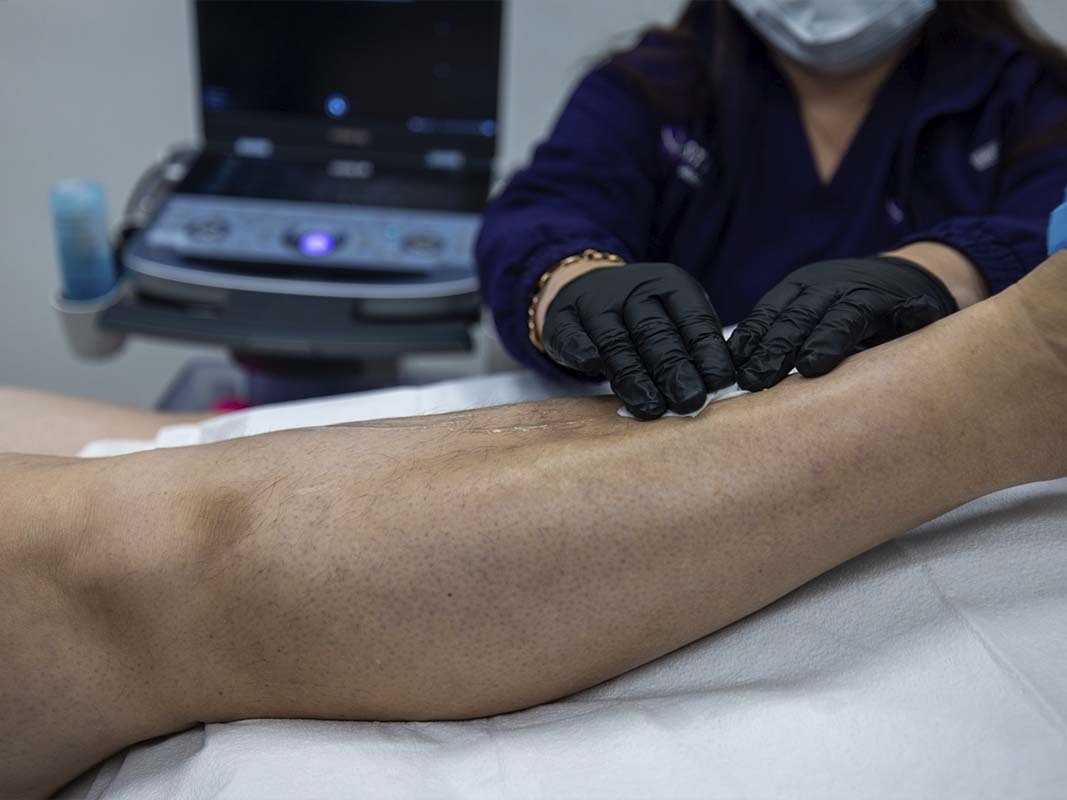
There are two types of locked knee, but the most common is true mechanical locking. This happens when a bone chip or foreign fragment inside your knee joint physically blocks movement. If this occurs, you feel immediate pain and you may not be able to fully straighten your leg.
The second type is called a pseudo-locking knee. This is when when your knee feels stuck due to swelling and stiffness, not an actual physical blockage. Your knee may improve with gentle movement or rest. A specialist identifies the type of knee locking you have during an evaluation.
Causes of a locking knee include:
If inflammation contributes to your pseudo-locking knee, treatments like genicular artery embolization (GAE) may help. GAE lowers excess blood flow to the inflamed areas in your knee, easing pain and improving movement. This minimally invasive procedure helps you manage locking symptoms so you return to daily activities faster.
Degenerative conditions like osteoarthritis can make your knee feel unstable or even make it lock up. This arthritis gradually wears down the protective cartilage inside your knee. As this cushioning thins, the structural support for your knee thins with it. If you get to bone-on-bone grinding, you’ve reached an advanced state of degradation. Surgery and a total knee replacement may be your only option at that point.
Not every case of knee instability or locking means advanced arthritis, but it shows your knee isn’t functioning properly.
Knee pain specialists in Brooklyn look for symptoms that include:
Several non-surgical treatments, such as physical therapy, improve the health and stability of your knees. A tailored exercise plan strengthens your quadriceps and hamstrings to keep the joint stable. PT also improves your balance and flexibility so your knee is less likely to give out or lock.
In some situations, using crutches or a cane temporarily takes pressure off your knee and makes it easier for you to recover. Wearing a knee brace stops your knee from shifting and gives your injured tissues time to heal. Adjusting your daily routine to avoid high-impact activities protects your knee from further injury.
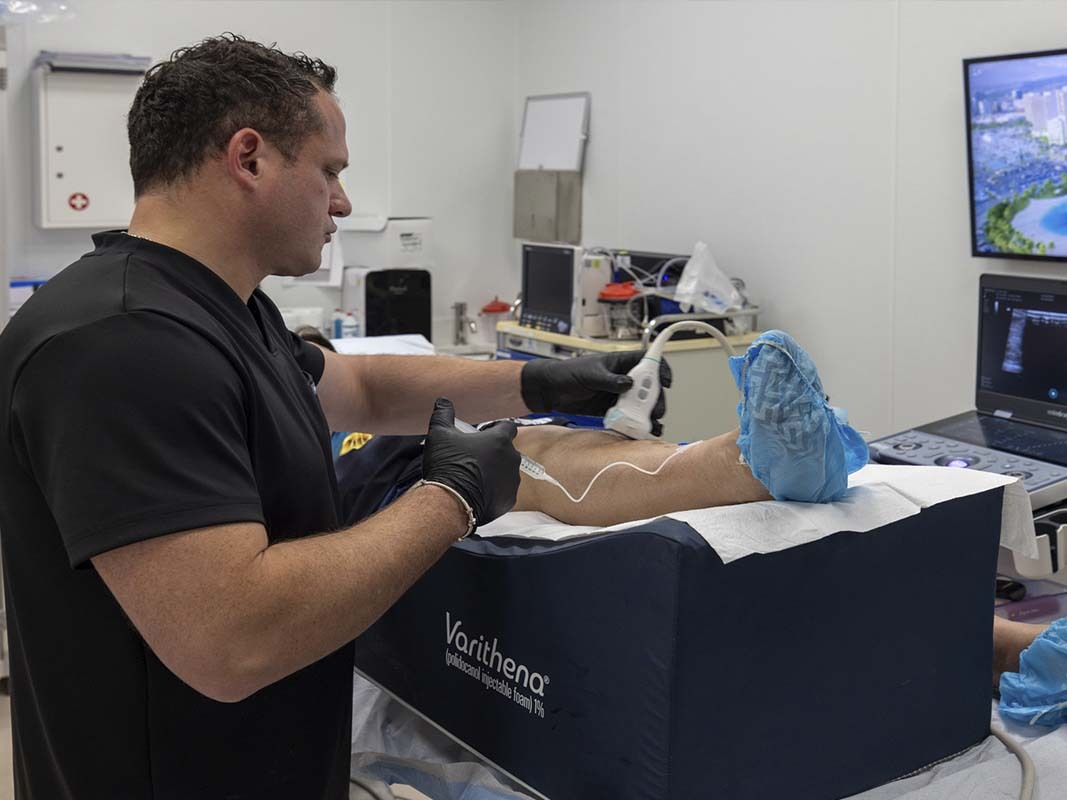
Another option your knee pain specialist in Brooklyn or the Bronx may discuss is genicular artery embolization.
GAE is a non-surgical treatment that offers many added benefits, such as:
Strength training and enhanced flexibility protect your knees during activities. This keeps your knees stable while lowering the risk of unexpected locking episodes. Strong muscles around your knee create a solid foundation for movement.
Strategies that knee pain specialists in Brooklyn and the Bronx often suggest for preventing an unstable knee and a locking knee include:
If you want relief from knee pain in Brooklyn or the Bronx without surgery, contact the Astra Knee Pain Center. Whether your unstable knee or locking knee comes from post-traumatic knee arthritis, chronic inflammatory knee pain, patellofemoral syndrome, or chondromalacia patella, the team offers advanced, non-surgical care to relieve discomfort, restore mobility, and improve your quality of life.
Astra Knee Pain Center Brooklyn
4209 Ave U, Suite A.
Brooklyn, NY 11234
(347) 934-9068
Astra Knee Pain Center Bronx
869 E Tremont Ave
Bronx, NY 10460
(929) 447-4563
Astra Knee Pain Center Queens
30-71 Steinway St,
Astoria, NY 11103
(929) 486-2201