
Table of contents
Genicular artery embolization, called GAE, is an advanced technique for resolving knee pain without surgery. This minimally invasive procedure, however, is not for everyone. The best knee pain specialists in Brooklyn and in the Bronx must run tests and perform medical reviews to determine if you qualify for GAE. If you do, you can expect long-lasting relief from your knee pain. Otherwise, other non-surgical methods may be recommended. Call the experts at the Astra Knee Pain Center in Brooklyn and the Bronx to discover if you qualify for GAE.
While genicular artery embolization (GAE) helps many people manage chronic knee pain, certain health conditions make it potentially unsafe. Candidates for GAE must be in stable overall health, as the procedure involves blocking small blood vessels in your knee to reduce inflammation.
You should avoid GAE if you have:
These problems slow healing or make the procedure less effective. They also increase risks of complications during recovery. Your GAE doctor reviews your medical history carefully before deciding if you’re a safe candidate for GAE. This patient-centered approach keeps your risks low while improving your results.
At the Astra Knee Pain Center with offices in Brooklyn and in the Bronx, Dr. George Bolotin and his team use interventional radiology skills to ensure that only suitable candidates for GAE get the treatment. If you’re wondering why to choose the Astra Knee Pain Center, look to their experience and proven results.
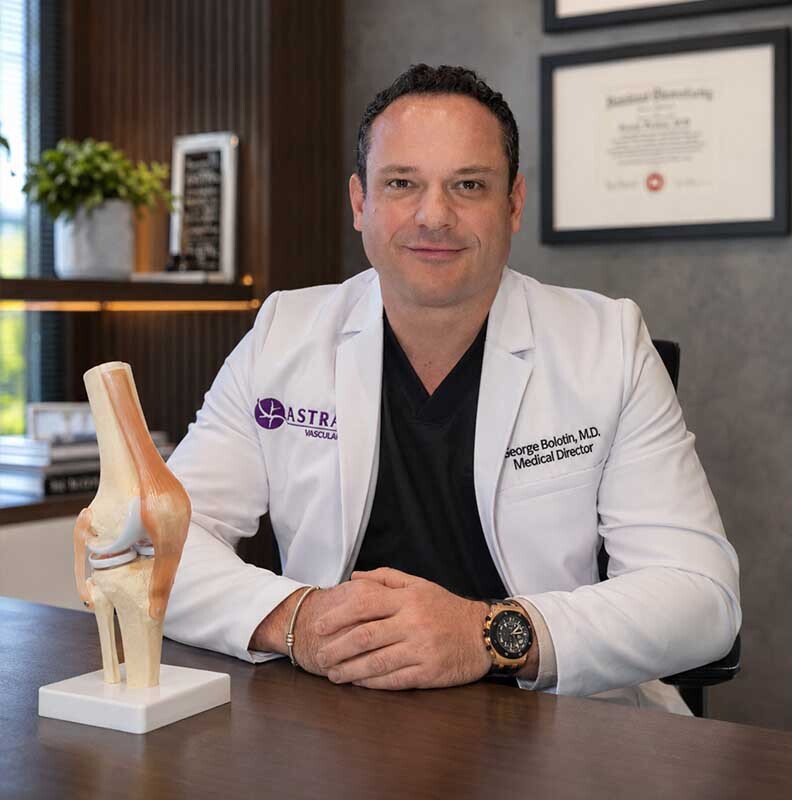
Poor circulation in your legs makes it more difficult for your knee to heal properly after a GAE procedure. Candidates for GAE must have a healthy blood flow to support tissue recovery and maintain long-term results. If a doctor finds circulation problems, your treatment is delayed until the condition improves.
At the Astra Knee Pain Center, Dr. Bolotin carefully assesses your health to ensure the best outcome for your GAE. In many cases, circulation issues are linked to underlying health concerns.
Our knee pain specialist recommends practical measures, such as:
Addressing these issues early improves your chances of becoming one of the strong candidates for GAE in the future. Conditions like osteoarthritis of the knee, chondromalacia patella and post-traumatic knee arthritis, among others, usually make you a good candidate for this advanced procedure.
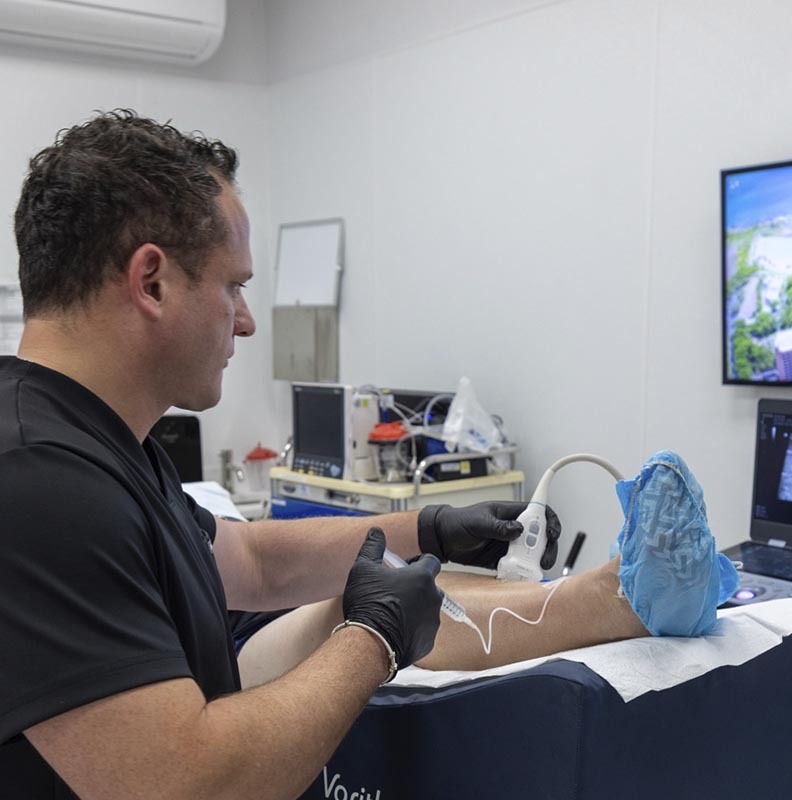
Like all medical procedures, GAE comes with some risks, although you can minimize them by choosing the expertise available at the Astra Knee Pain Center.
Candidates for GAE need to avoid treatment if they have certain conditions that make the procedure less safe, such as:
At the Astra Knee Pain Center, Dr. Bolotin and his team thoroughly evaluate you before determining if you qualify for GAE. Thorough screening ensures that only the right candidates for GAE move forward with the procedure, while others receive different forms of treatment that better benefit them.
Knee pain doctors conduct a detailed review to:
The role of your pain specialist is to guide you to the most appropriate treatment, based on your diagnosis. Since not everyone qualifies for genicular artery embolization to address their knee pain, you may have a number of decisions to make to get the correct treatment. When you visit a knee pain doctor in Brooklyn or in the Bronx, there’s a process for finding out if you’re an ideal candidate for GAE.
An evaluation helps avoid unnecessary procedures and ensures you receive the safest, most effective care for your specific needs. The goal is to provide lasting pain relief, improved mobility and overall joint health for years to come. Once you have a specific diagnosis and a medical review confirms that you’re among the ideal candidates for GAE, Dr. Bolotin clearly explains the benefits and risks, so you feel confident about your choice.
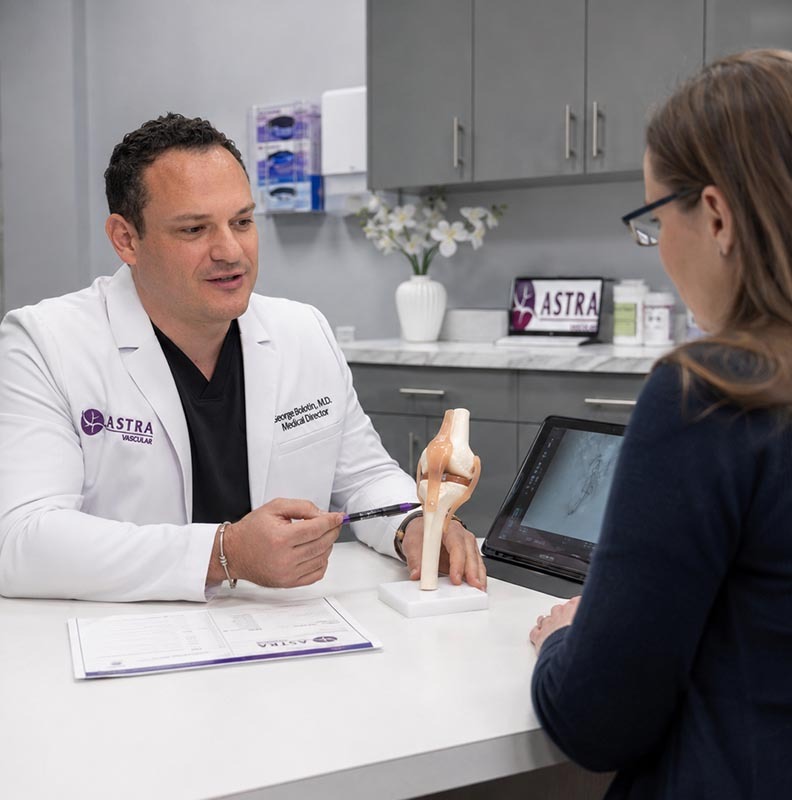
If GAE isn’t right for you, your doctor recommends safer alternatives, including strategies for avoiding a total knee replacement. During your consultation, Dr. Bolotin wants to ensure he explores all your options. Contact the Astra Knee Pain Center to schedule your evaluation with the best knee pain doctors in Brooklyn and the Bronx. Dr. Bolotin finds the best path toward lasting pain relief, improved mobility and better overall joint health for a more active and comfortable life.
Astra Knee Pain Center Brooklyn
4209 Ave U, Suite A.
Brooklyn, NY 11234
(347) 934-9068
Astra Knee Pain Center Bronx
869 E Tremont Ave
Bronx, NY 10460
(929) 447-4563
Astra Knee Pain Center Queens
30-71 Steinway St,
Astoria, NY 11103
(929) 486-2201